

High Seas Biodiversity Treaty: A Milestone for Ocean Protection
In June 2023, the United Nations adopted the High Seas Biodiversity Treaty, formally known as the Agreement on the Conservation and Sustainable Use of Marine Biological Diversity of Areas beyond National Jurisdiction (BBNJ). Developed under the United Nations Convention on the Law of the Sea, the treaty is the first global framework specifically designed to protect biodiversity in the high seas—areas of ocean beyond any single country’s control.
When did it come into effect?
The treaty officially entered into force on 17 January 2026, 120 days after the 60th country ratified it. Australia signed the agreement in September 2023 and has since passed national legislation to enable ratification.
Why does it matter?
Nearly 60% of the global ocean lies beyond national jurisdiction, making it one of the least protected ecosystems on Earth. These waters are increasingly impacted by fishing, shipping, and emerging industries, placing pressure on marine biodiversity and ocean health. Because ocean ecosystems are interconnected, the condition of the high seas directly affects coastal environments—including Australian waters.
What does the treaty do?
The High Seas Biodiversity Treaty establishes a framework to:
Create marine protected areas in international waters
Require environmental impact assessments for high seas activities
Regulate access to marine genetic resources
Support capacity building and marine technology sharing, particularly for developing states.
Implications for seabird conservation
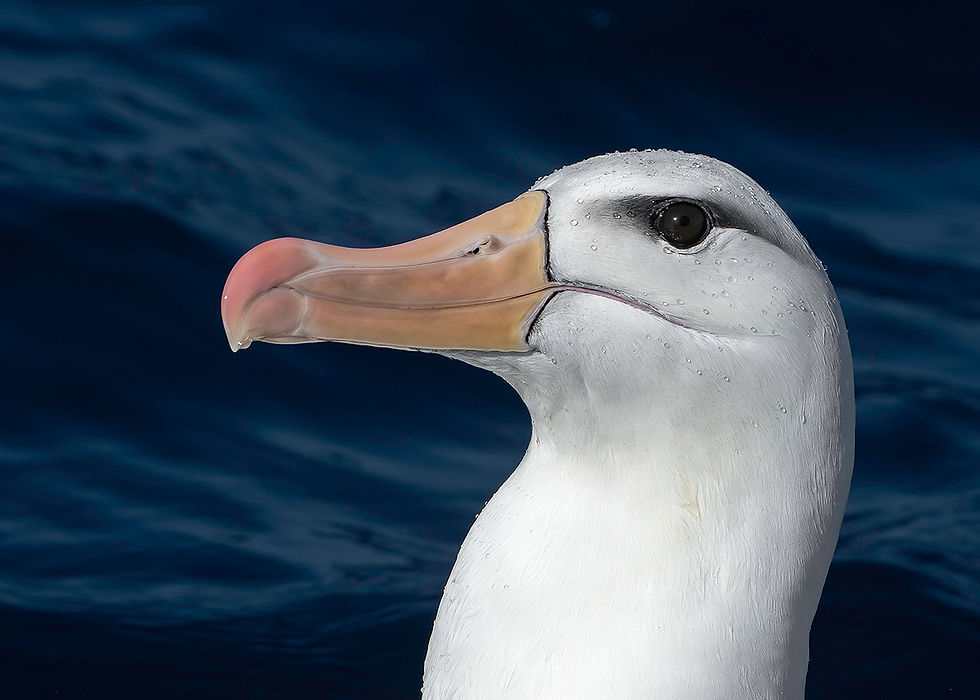
For seabirds, many of which spend most of their lives at sea and only return to land to breed, this treaty is especially significant. It opens the door to protecting critical foraging habitats and migratory pathways that have historically lacked oversight. By improving management of high seas ecosystems, the treaty will help reduce threats such as overfishing and habitat degradation—key drivers of seabird population decline.
A global step forward
The treaty represents a major step toward the global goal of protecting 30% of the ocean by 2030. It also strengthens international collaboration in marine science and conservation—an essential foundation for safeguarding seabirds and the wider ocean ecosystem into the future.
To see which countries have signed or ratified the treaty, visit the United Nations Law of the Sea Treaty.


Comments