
Australian Fairy Tern
Fairy Terns
Recovery Team
News
Resources
Sternula nereis nereis
Small tern.
Shared beaches.
The Australian Fairy Tern nests on open sand along our southern coastline — the same beaches we walk, fish, swim and drive on. Its future depends on how well we share them.
Meet the Recovery Team

STATUS
Vulnerable under the EPBC Act
RANGE
Coasts and islands of Western Australia, South Australia, Victoria, Southern New South Wales and Tasmania
BREEDING
Timing variable among locations. Nest primarily colonies on open sand and shell
CLOSE RELATIVES
Tara iti (New Zealand) and the New Caledonian subspecies of Fairy Tern. Little Tern
01 - What are they
One of Australia's smallest seabirds
Fairy Terns are slender, pale terns that hover over shallow water and plunge-dive for small fish close to shore. The Australian subspecies is one of three: its relatives are the tara iti of New Zealand and a subspecies in New Caledonia.
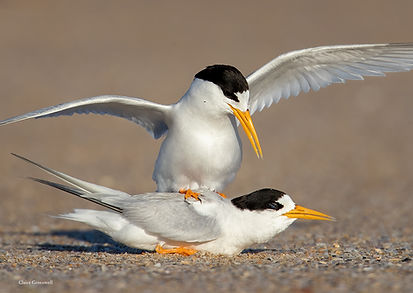
Bill - bright yellow/orange during the breeding season
Cap — black, stopping short of the bill, with a white patch in front of the eye
Plumage — very pale grey back and wings, white below
Legs — orange, short
02 - Where do they live
On the edge of land and sea
Fairy Terns live along the southern coast from Western Australia to Tasmania, feeding in sheltered shallows, estuaries and bays. In spring and summer they gather in colonies to nest on sandy beaches, spits, sandbars and islands.
A nest is little more than a scrape in the sand. Eggs and chicks are speckled to match it — which makes them almost invisible to people walking past. Colonies can also move from one year to the next, so protecting them means watching the whole coast, not just a few sites.

03 - Whey do they matter
A measure of how we look after our coast
Beach-nesting birds feel pressure on the coast first. Where Fairy Terns are breeding successfully, beaches are being shared well — with space for wildlife, people and dogs alike. Where they fail, it is usually for reasons we can do something about.
Disturbance
People, dogs and vehicles near a colony can flush adults off their nests, leaving eggs and chicks exposed to heat and predators.
Predators
Foxes, cats, rats, gulls and ravens take eggs and chicks. A single predator can wipe out a colony's season.
Tides and storm
Low-lying nests are washed over by high tides, and storm surges -a risk that grows as sea levels rise.
Habitat change
Coastal development, weeds and changes to how sand moves leave fewer open, undisturbed places to nest.
How you can help
Share the space
Most of what makes a difference happens on the beach, one visit at a time.
1
Keep out of fenced areas
Walk below the high-tide line and pass colonies quickly. If terns call, take flight or swoop, you are too close
2
Keep dogs on a lead
Or choose a beach without nesting birds. Even a curious, friendly dog can end a nesting attempt
3
Report terns and bands
Tell us where you see Fairy Terns nesting and note the colours of leg bands - every record helps.
4
Get involved
Volunteers monitor colonies, put up fencing and talk with beachgoers.
Recovery Team
The national team coordinating Australian Fairy Tern recovery across five states.
News
Breeding season updates, research, and news from the team
Resources
Conservation guide, monitoring protocols
The Australian Fairy Tern Recovery Team is hosted by the Australasian Seabird Group.